Planning a new fence for your garden? One of the first questions most people ask is:
“How much is this going to cost?”
It’s a fair question - fencing isn’t just about marking boundaries. It adds privacy, security, and style to your outdoor space.
This guide breaks down the main factors that affect fencing costs, gives you realistic UK price ranges, and shares tips for budgeting effectively.
What Affects Fencing Costs?
Fencing prices aren’t one - size - fits - all. Here are the key factors that affect how much a new fence is going to cost you:
-
Material Type
Timber panels are usually the most affordable, while composite fencing costs more upfront but lasts longer. Concrete add durability but increase the price compared to wooden posts. -
Fence Height and Length
The taller and longer your fence, the more materials you’ll need - and that means higher costs. -
Extras
Extra features like gates or trellis tops will add to the overall bill. -
Labour Costs
Professional installation adds to the overall price. Complex layouts can increase labour time. -
Waste removal
If an old fence, hedge, or other obstacles need clearing before your fence can be installed, this adds to the cost. -
Ground preparation
Uneven or difficult terrain may require extra work before installation. -
Location
Prices vary by region – for example, fence installation in London tends to be more expensive due to higher labour and logistics costs. -
Company type
A well-established limited company like Ascot Fencing may charge slightly more than a one-man-band – partly because the cost will include VAT - but what you gain is reliability, security, and aftercare. We have seen cases where customers have hired self-employed individuals who then abandoned jobs mid-way. With a limited company, you have peace of mind and expertise.
Average Fencing Prices in the UK
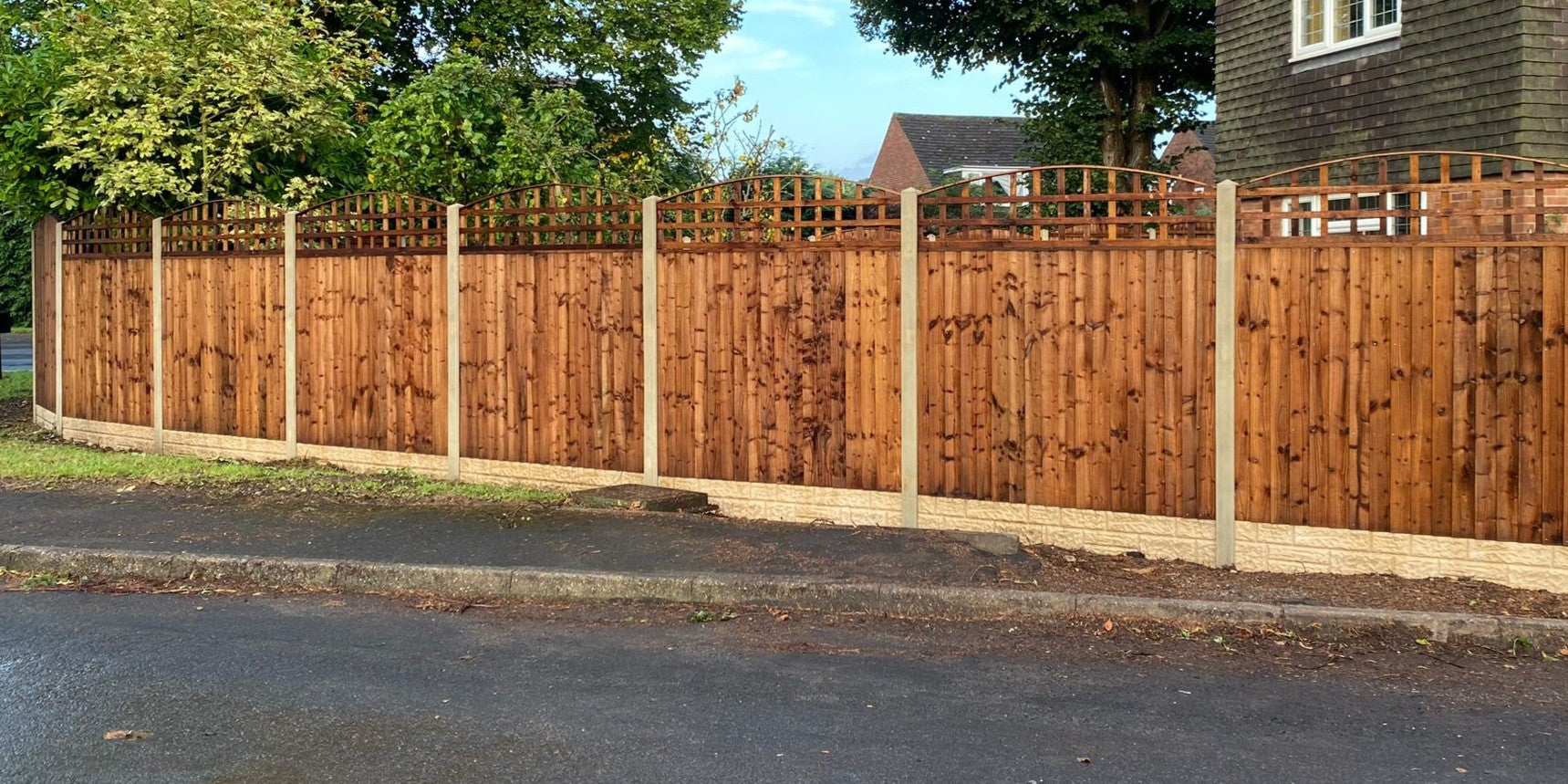
Here’s what you can expect to pay in 2026 UK prices for the most popular option: timber fence panels with concrete posts and gravel boards.
If you’re buying materials individually (not as part of an installation), here are the typical costs:
- Individual timber fence boards: £0.80 – £2 each (depending on height)
- Individual feather edge/closeboard timber fence panel (6ft wide): £25 – £60 (varies by height and decorative features, e.g. a panel with a dome top costs more than one with a flat top)
- Individual concrete fence post: £14 – £50 (depending on height)
-
Individual concrete gravel board: £10 – £20 (depending on height, style, and finish)
Find more prices & shop materials online here
If you want a complete installation (materials plus labour, excluding extras like gates or waste removal):
Average cost per section: £150 - £190
Each section - known in trade terms as a “bay” - is approximately 6ft wide by 6ft high, and includes:
- One timber fence panel
- One concrete gravel board
- One or two concrete fence posts
Please note: these figures are only a guide – every garden is different, so the best way to find out how much your new fence might cost you is to book an on-site consultation with a local fencing expert.

Get a Free Quote from Ascot Fencing
Live in the East Midlands and planning a new fence? We offers free, no-obligation on-site consultations to give you an accurate quote tailored to your garden and requirements.
Our team will visit your property, assess the space, and explain your options so you know exactly what’s involved - no surprises.
Contact us today to arrange your free consultation and start planning a fence that’s built to last.
Try Our Fencing Calculator for a Quick Cost Estimate
If you want a quick idea of what your new fence might cost before booking a consultation, our Fencing Cost Calculator gives you an instant estimate based on your fence size, preferred materials, and installation needs. It’s a fast, easy way to budget - and perfect if you’re comparing options or planning ahead.
With the calculator, you can:
- Get a personalised cost estimate in minutes
- Compare different materials and styles
- See how height, length, and extras affect the price
- Plan your project with more confidence
Try Our Fencing Calculator Now
Cost-Effective Fencing Solutions
Want to keep costs down without compromising quality? Here are some tips:
- Mix and match: Combining concrete posts with timber panels is a smart way to balance strength and affordability. Concrete posts provide durability and stability, while timber panels keep the overall cost lower than full concrete or premium alternatives.
- Think long-term: Spending a little more upfront on durable materials - such as closeboard panels and concrete gravel boards - can save money on repairs and replacements later. Cheaper options may look appealing initially, but they often require more maintenance and have a shorter lifespan.
- Consider standard sizes: Sticking to standard panel sizes (like 6ft wide) usually costs less than custom or decorative designs. Extras such as dome tops or trellis panels add style but also increase the price.
DIY vs Professional Installation
It can be tempting to attempt installing a fence yourself to save money, but fencing is more complex than it looks.
Poor alignment or incorrect fixing can lead to extra costs later for repairs or replacements. Consulting an expert ensures your fence is secure, straight, and built to last.
Ascot Fencing offers full installation services across Derbyshire, Nottinghamshire and Leicestershire, giving you flexibility and peace of mind.
Our experienced team can advise on the best approach for your garden and provide a free on-site consultation.
Get in touch today to start your fencing project with a free on-site consultation.