
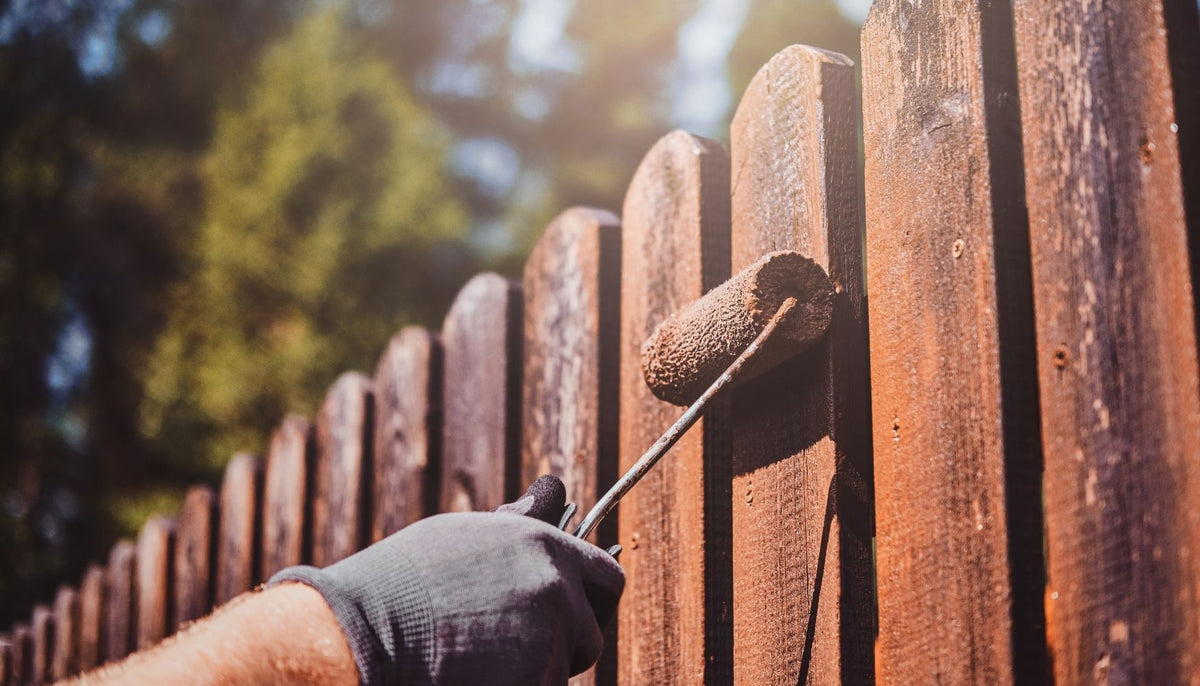
A fresh coat of paint can completely change the look of a garden. Whether you're brightening up tired fence panels or giving your outdoor space a new look, taking the time to prepare and paint your fencing properly can improve both its appearance and longevity.
In this guide, we'll explain the best way to paint a fence, walk through the process step by step, and share some garden fence colour ideas to help you decide on the right finish for your space.
What is the best way to paint a fence?
The best way to paint a fence is to start with a clean, dry surface, carry out any necessary repairs, and use a paint or treatment designed for exterior timber. Applying the product evenly and allowing sufficient drying time between coats will help achieve a longer-lasting finish.
While the process is relatively straightforward, a little preparation goes a long way. Rushing straight into painting can lead to patchy coverage and a finish that doesn't last as long as expected.
How to paint a fence: step by step
1. Check the condition of your fence
Before picking up a brush, take a few minutes to inspect the fence.
Look for:
- Loose or damaged panels
- Rotten timber
- Broken fixings
- Leaning fence post
If a section of fencing has reached the end of its lifespan, replacing it before painting is likely to provide a better result.
2. Clean the surface
Fence paint adheres best to a clean surface.
Remove any dirt, moss, cobwebs and loose debris with a stiff brush. If there is old flaking paint, scrape away any loose material before repainting.
Once cleaned, allow the timber to dry thoroughly before moving on to the next stage.
3. Choose the right product
There are several options available, including:
- Traditional fence paints
- Exterior wood stains
- Timber treatments and preservatives
The right choice depends on the finish you're hoping to achieve and how much of the natural wood grain you'd like to see.
4. Protect surrounding areas
Fence painting can be messy, particularly if you're using a sprayer.
Cover nearby paving, decking, garden furniture and plants before you begin. Taking a few extra minutes here can save a lot of cleaning up later.
5. Apply the paint
Work methodically along the fence, ensuring each area is covered evenly.
Many homeowners use a brush because it offers good control and helps work the paint into the timber. Rollers and sprayers can speed up larger projects, although they require a little more preparation.
6. Allow time to dry
Drying times vary depending on the product and weather conditions.
Avoid painting in wet weather or when rain is expected shortly after application. A dry day with mild temperatures will usually produce the best results.
Should you use a paintbrush or fence sprayer?
Both options have their advantages.
Using a brush
A paint brush allows you to apply paint precisely and is often the easiest choice for:
- Decorative panels
- Trellis sections
- Detailed areas around posts and gates
It can take longer, but it gives you greater control.

Using a fence sprayer
A sprayer can make quick work of long runs of fencing and is popular for larger gardens.
However, overspray can become an issue if nearby plants, furniture or neighbouring properties are not adequately protected.
For many homeowners, the best option comes down to the size of the job and personal preference.

When is the best time to paint a garden fence?
Dry weather and mild temperatures tend to provide the best conditions for fence painting.
Spring and summer are often popular times to tackle the job, although many products can be applied throughout the year if conditions are suitable.
It's generally best to avoid painting during wet weather, extreme heat, or when rain is forecast shortly after application. Following the manufacturer's guidance will help ensure the paint has time to dry and cure properly.

Can I paint a composite fence?
Composite fencing is designed to retain its colour and appearance with very little maintenance, so it doesn't usually need painting in the same way that timber fencing does.
In most cases, manufacturers do not recommend painting composite fence panels. Applying paint can affect the finish of the material and may make future maintenance more difficult.
If your composite fencing has become marked or weathered, cleaning it according to the manufacturer's guidance is usually the first step. For older installations where the appearance has changed over time, it's worth checking the manufacturer's recommendations before using any paint, stain or treatment.
If you're considering composite fencing for a new project, one of its main advantages is that it provides the appearance of a finished fence without the ongoing painting and staining that timber fencing often requires.

Common fence painting mistakes
A little extra care during preparation can prevent problems later. Some of the most common mistakes include:
Painting damp timber
Timber should be dry before painting. Applying paint to damp wood can affect how well the coating adheres.
Skipping repairs
Paint can improve appearance, but it won't fix structural issues. Loose panels and damaged posts should be addressed first.
Ignoring the weather forecast
Rain shortly after painting can affect the finish and may require additional work.
Applying uneven coats
Thin, even coats tend to produce better results than applying too much product at once.
Garden fence colour ideas
Once you've decided how to paint your fence, the next step is choosing a colour.
The right shade can complement your planting, highlight key features and influence the overall feel of the garden.
Natural timber tones
Natural timber finishes remain a popular choice because they work well with a wide range of garden styles. They allow the grain of the wood to remain visible while adding protection and colour.

Grey and anthracite
Grey fencing has become increasingly common in contemporary gardens. These colours pair well with modern paving, outdoor furniture and landscaping features.
Black fence paint
Black fencing can create a striking backdrop for planting and often works particularly well in gardens with lots of greenery. It can also help colourful flowers and foliage stand out.
Sage green
For a softer look, sage green remains a popular option.It complements planting schemes well and suits traditional garden designs.
Traditional brown
Brown fence paint continues to be widely used across the UK. It offers a classic appearance and blends naturally into many outdoor spaces.
Which fence colour is right for your garden?
There isn't a single colour that suits every garden. When making a decision, consider:
- The style of your property
- Existing paving and landscaping
- The amount of natural light the garden receives
- The plants and flowers already in place
A colour that looks great in one setting may feel out of place in another, so it's worth thinking about how the fence will fit into the wider garden design.
Need a new fence before you paint?
Painting can give existing fencing a fresh appearance, but there are situations where replacement is the better option. If panels are damaged, leaning or showing signs of significant wear, installing new fencing can provide a more reliable long-term solution.
At Ascot Fencing, we supply a wide range of timber and composite fencing products with nationwide delivery. We also provide professional fence installation services across Derbyshire, Nottinghamshire and Leicestershire.
Whether you're replacing a few panels or planning a complete garden makeover, our team can help you choose fencing that suits your property and budget.
Get in touch today for practical advice or a free, no-obligation quote.